
The Future of Wearable Technology: From Fitness to Healthcare
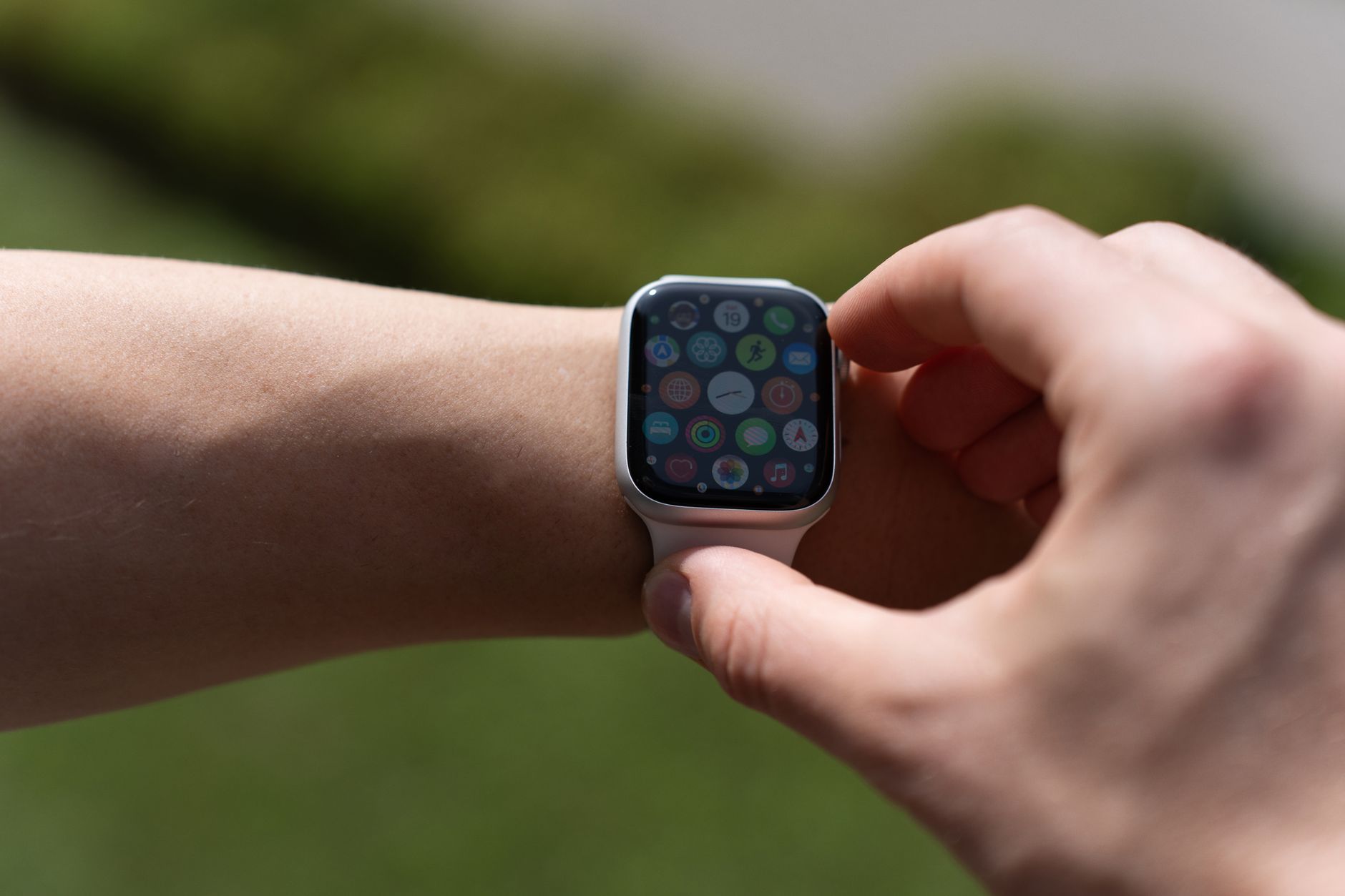
🚀 Imagine a world where your watch doesn't just tell time—it predicts your health risks, monitors your vital signs, and even alerts emergency services if you're in danger. This isn't science fiction; it's the cutting-edge reality of wearable technology. From humble beginnings as simple step counters, wearables have evolved into sophisticated devices that are revolutionizing how we approach fitness, wellness, and healthcare.
But here's the kicker: we've only scratched the surface of what's possible. As wearable tech continues to advance at breakneck speed, it's not just changing the game—it's creating entirely new playing fields. 🎮 Whether you're a fitness enthusiast, a healthcare professional, or simply someone curious about the future, the potential of these devices to transform our lives is both thrilling and mind-boggling.
In this post, we'll dive deep into the evolution of wearable technology, explore its impact on fitness and healthcare, and peek into the exciting future applications that lie ahead. We'll also tackle the challenges and concerns that come with this rapid advancement. Buckle up—we're about to embark on a journey through the fascinating world of wearable tech! 🌟
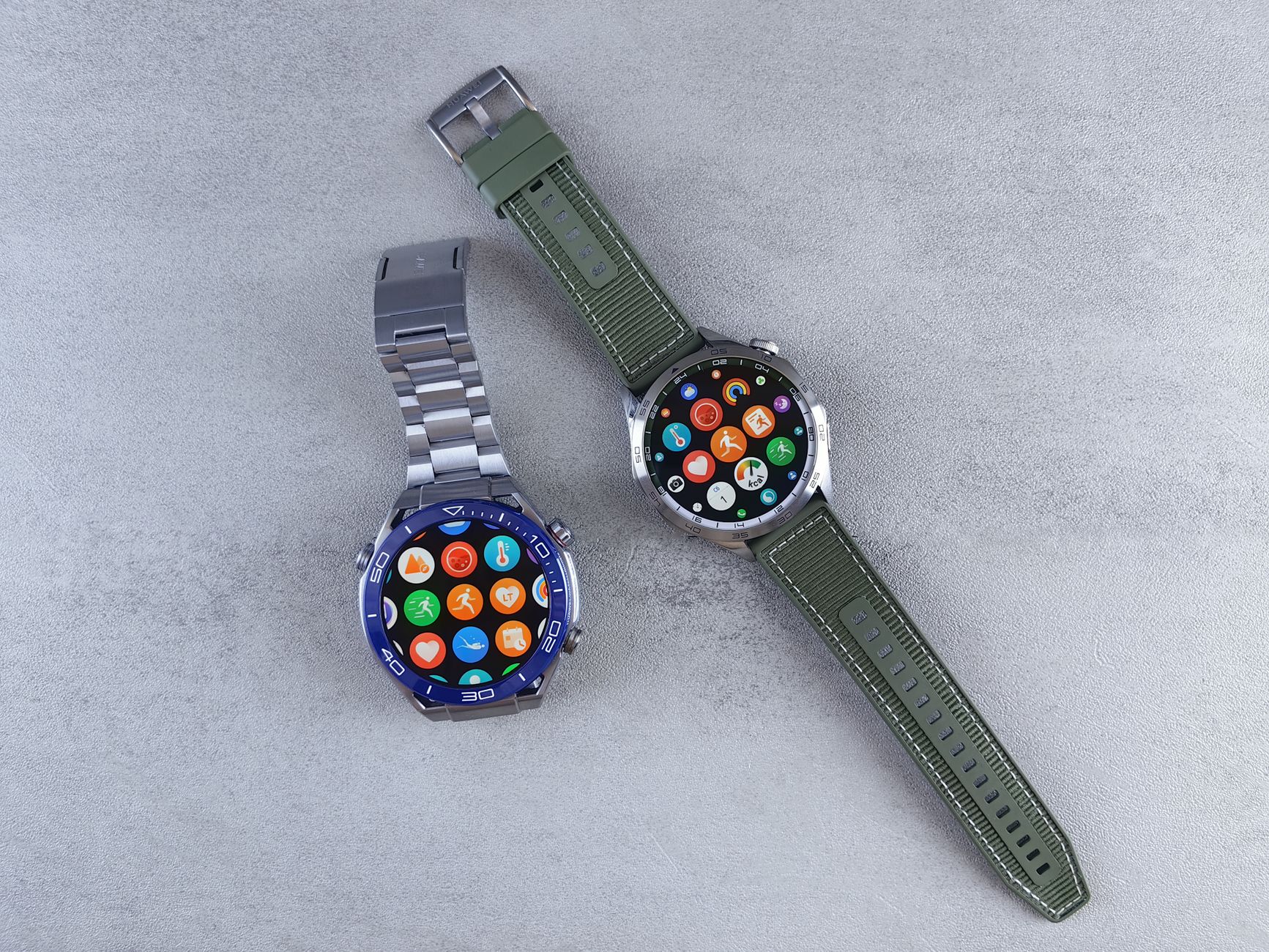
Evolution of Wearable Technology
As we delve into the fascinating world of wearable technology, it's crucial to understand how these devices have evolved from simple step counters to sophisticated health and lifestyle companions. This journey of innovation has been marked by significant advancements in technology, design, and functionality.
From basic fitness trackers to multi-functional devices
The evolution of wearable technology has been nothing short of remarkable. What started as simple pedometers has now blossomed into a diverse ecosystem of smart, connected devices that can monitor everything from our heart rate to our sleep patterns.
The Birth of Fitness Trackers
The first generation of wearable devices were primarily focused on tracking basic fitness metrics. These early fitness trackers, popularized in the early 2000s, were essentially glorified pedometers. They could count steps, estimate distance traveled, and calculate calories burned. While revolutionary for their time, these devices were limited in their functionality and often lacked accuracy.
The Rise of Smartwatches
As technology advanced, fitness trackers evolved into smartwatches, marking a significant leap in wearable technology. Smartwatches combined the functionality of fitness trackers with features typically found in smartphones, such as:
-
Notifications for calls, messages, and apps
-
Music playback and control
-
GPS navigation
-
Voice assistants
-
Mobile payments
This convergence of features transformed wearables from single-purpose devices to multi-functional tools that could seamlessly integrate into users' daily lives.
Advanced Health Monitoring
The next phase in the evolution saw wearables becoming more sophisticated in their health monitoring capabilities. Modern devices now offer:
-
Continuous heart rate monitoring
-
Blood oxygen level measurement
-
ECG readings
-
Stress level tracking
-
Menstrual cycle tracking
-
Sleep quality analysis
These advanced health features have positioned wearables as valuable tools not just for fitness enthusiasts, but also for individuals managing chronic health conditions or those simply interested in proactive health management.
Specialized Wearables
As the market for wearable technology has matured, we've seen the emergence of specialized devices catering to specific needs or activities:
| Type of Wearable | Features | Target Users |
|---|---|---|
| Running Watches | Advanced GPS, pace tracking, route mapping | Serious runners and athletes |
| Swim Trackers | Water resistance, stroke counting, lap timing | Swimmers and triathletes |
| Golf GPS Watches | Course maps, shot tracking, swing analysis | Golf enthusiasts |
| Medical Alert Devices | Fall detection, emergency calling, medication reminders | Elderly or at-risk individuals |
| Smart Rings | Sleep tracking, NFC payments, activity monitoring | Tech-savvy minimalists |
This diversification demonstrates how wearable technology has expanded beyond one-size-fits-all solutions to address the unique needs of different user groups.
Miniaturization and improved battery life
One of the most significant factors driving the evolution of wearable technology has been the ongoing trend of miniaturization coupled with improvements in battery life. These advancements have not only made wearables more comfortable and convenient to use but have also expanded their potential applications.
The Challenge of Size
In the early days of wearable technology, devices were often bulky and uncomfortable to wear for extended periods. This limitation restricted their adoption and usability. However, rapid advancements in microelectronics and materials science have led to dramatic reductions in the size of components, allowing for sleeker, more ergonomic designs.
Key areas of miniaturization include:
-
Processors: The development of smaller, more efficient chips has allowed for increased computing power in compact form factors.
-
Sensors: Miniaturized sensors can now detect a wide range of physiological and environmental data with high accuracy.
-
Displays: Innovations in flexible and micro-LED technologies have enabled thinner, more energy-efficient displays.
-
Batteries: Advancements in battery technology have resulted in smaller power sources with higher energy density.
The Impact of Improved Battery Life
Alongside miniaturization, significant strides have been made in extending the battery life of wearable devices. This improvement has been crucial in enhancing the user experience and expanding the practical applications of wearables.
Factors contributing to improved battery life include:
-
More efficient processors and components
-
Advanced power management systems
-
Optimization of software and algorithms
-
Implementation of low-power modes
The combination of smaller form factors and longer battery life has enabled the creation of "always-on" wearables that can continuously monitor and analyze data without frequent charging interruptions.
Case Study: Evolution of Fitness Trackers
To illustrate the impact of miniaturization and improved battery life, let's examine the evolution of a popular fitness tracker brand over the past decade:
| Year | Model | Size | Battery Life | Key Features |
|---|---|---|---|---|
| 2013 | Tracker 1.0 | 35.5 x 28 x 9.3 mm | 5-7 days | Step counting, distance, calories burned |
| 2016 | Tracker 2.0 | 31.7 x 15.2 x 8.9 mm | 7-10 days | Added heart rate monitoring, sleep tracking |
| 2019 | Tracker 3.0 | 26.3 x 16.7 x 8.9 mm | 14-20 days | Added SpO2 sensor, stress monitoring |
| 2022 | Tracker 4.0 | 21.9 x 14.5 x 7.5 mm | 21-28 days | Added ECG, skin temperature sensor |
This progression clearly demonstrates how wearables have become smaller and more capable while simultaneously extending their battery life, making them more practical for continuous use.
Integration of AI and machine learning
The integration of artificial intelligence (AI) and machine learning (ML) into wearable technology represents a quantum leap in the capabilities and potential applications of these devices. This fusion of advanced data analysis with wearable sensors has opened up new frontiers in personalized health insights, predictive analytics, and adaptive user experiences.
Enhancing Data Analysis
AI and ML algorithms have dramatically improved the way wearable devices process and interpret the vast amounts of data they collect. Instead of simply presenting raw data, modern wearables can now provide meaningful insights and actionable recommendations.
Key areas where AI and ML have enhanced wearable technology include:
-
Pattern Recognition: Identifying trends in user behavior, sleep patterns, or physiological markers that may indicate health issues or areas for improvement.
-
Anomaly Detection: Spotting unusual readings or deviations from normal patterns that could signal potential health concerns.
-
Predictive Analytics: Forecasting future health outcomes based on current trends and historical data.
-
Personalized Recommendations: Tailoring fitness plans, nutrition advice, or wellness strategies based on individual user data and goals.
-
Natural Language Processing: Enabling more sophisticated voice commands and interactions with virtual assistants embedded in wearables.
Real-World Applications of AI in Wearables
The integration of AI and ML has led to several innovative applications in wearable technology:
-
Early Disease Detection: Some smartwatches now use AI algorithms to analyze heart rate variability and other metrics to detect potential signs of atrial fibrillation or other cardiac issues.
-
Stress Management: AI-powered wearables can identify stress patterns and provide personalized relaxation techniques or breathing exercises.
-
Fitness Optimization: Machine learning algorithms can analyze workout data to suggest optimal training intensities and recovery periods for individual users.
-
Sleep Improvement: AI can provide detailed sleep stage analysis and recommend personalized strategies for improving sleep quality.
-
Fall Prevention: For elderly users, AI algorithms can analyze gait patterns and balance to predict and prevent potential falls.
The Role of Edge AI
One of the most exciting developments in the integration of AI into wearables is the advent of Edge AI. This technology allows AI processing to occur directly on the wearable device, rather than relying on cloud-based computing. The benefits of Edge AI in wearables include:
-
Faster processing and real-time insights
-
Improved privacy and data security
-
Reduced dependency on internet connectivity
-
Lower power consumption, leading to extended battery life
Challenges and Future Directions
While the integration of AI and ML has greatly enhanced the capabilities of wearable technology, it also presents certain challenges:
-
Data Privacy: The collection and analysis of personal health data raise important privacy concerns that need to be addressed.
-
Accuracy and Reliability: Ensuring the accuracy of AI-generated insights and recommendations is crucial, especially for health-related applications.
-
User Trust: Building user trust in AI-powered features and recommendations is essential for widespread adoption.
-
Regulatory Compliance: As wearables become more advanced in their health monitoring capabilities, navigating complex healthcare regulations becomes increasingly important.
Looking ahead, we can expect to see continued advancements in the integration of AI and ML in wearable technology. Some potential future developments include:
-
More sophisticated biomarker analysis for early disease detection
-
Advanced emotion recognition and mental health monitoring
-
Integration with smart home systems for holistic lifestyle management
-
Enhanced natural language interfaces for seamless human-computer interaction
As we move forward, the evolution of wearable technology, driven by miniaturization, improved battery life, and the integration of AI and ML, promises to revolutionize how we monitor and manage our health, fitness, and overall well-being. The journey from simple step counters to sophisticated, AI-powered health companions has been remarkable, and the future holds even more exciting possibilities.
With these advancements in mind, let's now explore how these evolved wearable technologies are revolutionizing fitness and wellness in unprecedented ways.

Revolutionizing Fitness and Wellness
As wearable technology continues to evolve, its impact on fitness and wellness has been nothing short of revolutionary. These smart devices have transformed the way we approach our health, providing unprecedented insights into our bodies and empowering us to make informed decisions about our well-being. Let's explore how wearable tech is reshaping the fitness landscape through stress management, real-time coaching, personalized workouts, and advanced biometric tracking.
Stress Management and Mental Health Support
Wearable technology has expanded beyond physical fitness to address the crucial aspect of mental health. Modern smart wearables are now equipped with features that help users manage stress and support their overall mental well-being.
Stress Detection and Alerts
Advanced wearable devices can now detect stress levels by monitoring various physiological markers:
-
Heart rate variability (HRV)
-
Skin conductance
-
Respiratory rate
-
Sleep patterns
When these indicators suggest elevated stress levels, the device can alert the user and provide recommendations for stress-reduction techniques.
Guided Breathing Exercises
Many wearables now offer guided breathing exercises, which have been shown to reduce stress and anxiety. These exercises typically use haptic feedback or visual cues to guide users through controlled breathing patterns, helping to activate the parasympathetic nervous system and promote relaxation.
Mood Tracking and Analysis
Some devices allow users to log their moods throughout the day. Over time, this data can reveal patterns and triggers that affect mental well-being. Users can then make lifestyle adjustments based on these insights.
Meditation and Mindfulness Features
Wearable tech is increasingly incorporating meditation and mindfulness features:
-
Guided meditation sessions
-
Reminders to take mindful breaks
-
Progress tracking for mindfulness practices
These features encourage users to prioritize mental health alongside physical fitness.
| Feature | Benefit |
|---|---|
| Stress Detection | Early intervention in stress management |
| Guided Breathing | On-demand stress relief techniques |
| Mood Tracking | Identification of emotional patterns and triggers |
| Meditation Support | Encouragement of regular mindfulness practice |
Real-time Coaching and Feedback
One of the most significant advancements in wearable fitness technology is the ability to provide real-time coaching and feedback, essentially giving users a personal trainer on their wrist.
Form Correction and Technique Analysis
Advanced wearables use accelerometers and gyroscopes to analyze movement patterns during exercises. This technology can:
-
Detect improper form during weightlifting exercises
-
Analyze running gait and suggest improvements
-
Provide feedback on swimming strokes
By offering immediate corrections, these devices help prevent injuries and improve the efficiency of workouts.
Heart Rate Zone Training
Wearables can monitor heart rate in real-time and provide feedback to keep users in optimal training zones:
-
Fat burning zone
-
Aerobic zone
-
Anaerobic zone
This ensures that users are working out at the right intensity to meet their specific fitness goals.
Vocal Coaching
Some advanced wearables now include AI-powered vocal coaching that can provide audible instructions and motivation during workouts. This feature can:
-
Guide users through complex workout routines
-
Offer encouragement during challenging parts of a workout
-
Provide real-time updates on performance metrics
Recovery Guidance
Wearable tech doesn't just focus on active exercise; it also provides valuable insights into recovery:
-
Recommending rest days based on workout intensity and recovery metrics
-
Suggesting optimal sleep duration for recovery
-
Providing guidance on post-workout nutrition and hydration
By emphasizing recovery, wearables help users avoid overtraining and reduce the risk of injury.
Personalized Workout Recommendations
The future of wearable fitness technology lies in its ability to offer highly personalized workout recommendations tailored to each user's unique physiology, goals, and preferences.
AI-Powered Workout Planning
Artificial Intelligence algorithms analyze vast amounts of user data to create personalized workout plans:
-
Historical workout data
-
Fitness goals
-
Current fitness level
-
Available equipment
-
Time constraints
These AI systems can adapt and evolve the workout plans based on user progress and feedback, ensuring continual challenge and engagement.
Adaptive Difficulty
Wearable devices can now adjust workout difficulty in real-time based on user performance:
-
Increasing resistance or intensity when exercises become too easy
-
Decreasing difficulty when the user is struggling
-
Suggesting alternative exercises when needed
This adaptive approach ensures that workouts remain challenging yet achievable, maximizing results and minimizing frustration.
Integration with Environmental Factors
Advanced wearables take into account environmental factors when making workout recommendations:
-
Weather conditions for outdoor activities
-
Air quality index for respiratory health considerations
-
UV index for sun exposure management
This integration helps users make informed decisions about when and where to exercise for optimal health and safety.
Goal-Specific Training Programs
Wearable technology can offer specialized training programs for specific fitness goals:
-
Weight loss
-
Muscle gain
-
Endurance building
-
Flexibility improvement
-
Sports-specific performance enhancement
These targeted programs ensure that users are following the most effective routines for their particular objectives.
Advanced Biometric Tracking
The ability to track an extensive array of biometric data is perhaps the most powerful feature of modern wearable fitness technology. This comprehensive monitoring provides users with a holistic view of their health and fitness.
Continuous Glucose Monitoring
Some cutting-edge wearables now offer non-invasive glucose monitoring, which is particularly beneficial for:
-
Diabetics managing their condition
-
Athletes optimizing their nutrition and energy levels
-
Individuals looking to improve their metabolic health
This technology allows for real-time tracking of blood sugar levels, enabling users to make immediate dietary adjustments.
Hydration Monitoring
Advanced wearables can now assess hydration levels through various methods:
-
Bioelectrical impedance analysis
-
Sweat rate monitoring
-
Electrolyte balance tracking
This information helps users maintain proper hydration, which is crucial for both performance and overall health.
Sleep Quality Analysis
Sleep tracking has evolved beyond simple duration measurements. Modern wearables now provide detailed sleep quality analysis:
-
Sleep stage tracking (REM, light, deep sleep)
-
Sleep cycle optimization
-
Environmental factors affecting sleep (temperature, noise, light)
-
Recommendations for improving sleep hygiene
By improving sleep quality, users can enhance their recovery, cognitive function, and overall well-being.
Cardiovascular Health Metrics
Wearable technology now offers a range of cardiovascular health metrics:
| Metric | Description | Benefit |
|---|---|---|
| VO2 Max | Maximum oxygen uptake during exercise | Indicates cardiovascular fitness |
| Resting Heart Rate | Heart rate when at complete rest | Reflects overall cardiovascular health |
| Heart Rate Variability | Variation in time between heartbeats | Indicates stress levels and recovery status |
| Blood Pressure | Force of blood against artery walls | Helps monitor hypertension risk |
These metrics provide valuable insights into overall cardiovascular health and fitness progress.
Body Composition Analysis
Some advanced wearables can now perform body composition analysis, offering metrics such as:
-
Body fat percentage
-
Muscle mass
-
Bone density
-
Water retention
This detailed breakdown helps users track their progress beyond simple weight measurements, providing a more accurate picture of their physical fitness.
Respiratory Rate and Lung Function
Wearable devices are increasingly able to monitor respiratory health:
-
Tracking breathing patterns during sleep and exercise
-
Measuring lung capacity and function
-
Detecting potential respiratory issues early
This feature is particularly valuable for individuals with respiratory conditions or those looking to improve their cardiovascular endurance.
The future of wearable technology in fitness and wellness is incredibly promising. As these devices become more sophisticated, they will continue to provide increasingly accurate, personalized, and actionable insights. The integration of stress management, real-time coaching, personalized recommendations, and advanced biometric tracking is creating a holistic approach to health and fitness that was previously unimaginable.
By leveraging these technologies, individuals can take unprecedented control over their physical and mental well-being. The data-driven, personalized nature of these devices ensures that users can make informed decisions about their health, tailored specifically to their unique physiology and goals.
As we move forward, we can expect even more integration between wearable technology and healthcare systems, creating a seamless continuum of health monitoring and management. This integration will not only revolutionize personal fitness but also has the potential to transform preventive healthcare on a broader scale.