
The Impact of 5G on Smart Cities and IoT

Imagine a city where traffic flows seamlessly, energy consumption is optimized, and public services are instantly accessible. This isn't a scene from a sci-fi movie—it's the promise of 5G technology in our rapidly evolving urban landscapes. 🏙️📱
As we stand on the brink of a technological revolution, 5G is set to transform our cities into smart, interconnected ecosystems. But what exactly does this mean for our daily lives? How will the Internet of Things (IoT) evolve with this lightning-fast connectivity? From autonomous vehicles to intelligent infrastructure, the possibilities are both exciting and mind-boggling.
In this post, we'll dive into the game-changing impact of 5G on smart cities and IoT. We'll explore how this next-generation network is not just about faster downloads, but a complete reimagining of urban living. Get ready to uncover the potential of 5G technology, its role in smart cities, and how it's set to revolutionize IoT devices. We'll also examine real-world applications, challenges, and what the future might hold in this brave new connected world. 🚀🌐
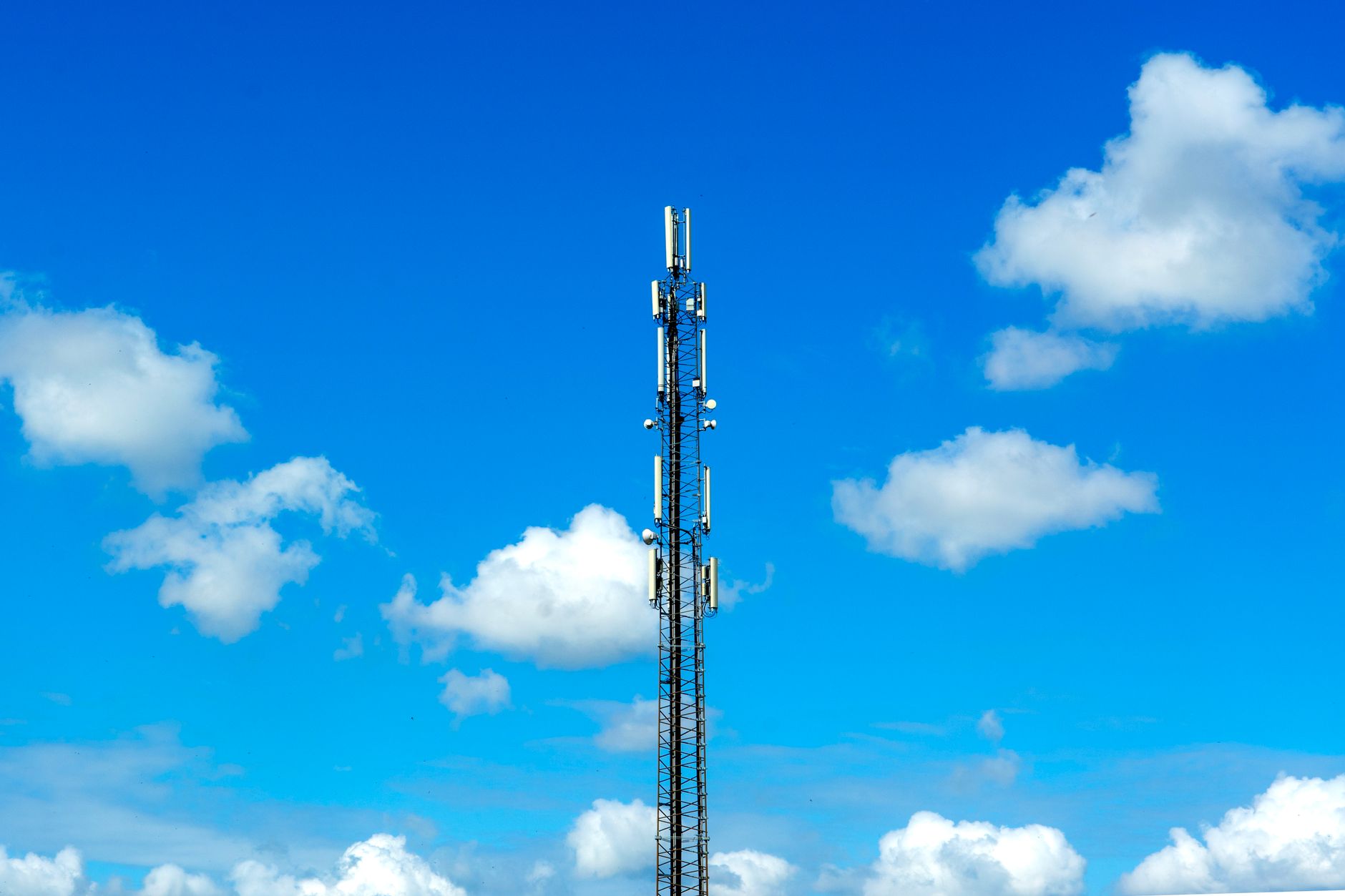
Understanding 5G Technology
As we delve into the world of smart cities and IoT, it's crucial to first grasp the foundation upon which these innovations are built: 5G technology. This next-generation wireless network is set to revolutionize the way we connect, communicate, and interact with our urban environments. Let's explore the key features, potential applications, and how 5G stands apart from its predecessors.
Key Features of 5G Networks
5G technology brings a host of impressive features that set it apart from previous generations of wireless networks. These characteristics are fundamental to understanding why 5G is poised to transform smart cities and IoT applications.
1. Enhanced Mobile Broadband (eMBB)
One of the most notable features of 5G is its ability to deliver significantly faster data speeds compared to 4G LTE networks. 5G networks are designed to achieve peak data rates of up to 20 Gbps, which is a massive leap from the 1 Gbps peak rate of 4G LTE-Advanced.
-
Practical Implications: This enhanced speed allows for seamless streaming of 4K and 8K video content, immersive virtual and augmented reality experiences, and rapid download of large files.
-
Smart City Applications: High-speed connectivity enables real-time monitoring of city infrastructure, efficient emergency response systems, and enhanced public transportation services.
2. Ultra-Reliable Low-Latency Communication (URLLC)
5G networks are engineered to provide extremely low latency, with a target of 1 millisecond end-to-end latency for mission-critical applications. This is a significant improvement over 4G's typical latency of 20-30 milliseconds.
-
Practical Implications: Near-instantaneous response times enable applications that require real-time control and feedback, such as autonomous vehicles and remote surgery.
-
Smart City Applications: Traffic management systems can react in real-time to changing conditions, and public safety networks can coordinate emergency responses with minimal delay.
3. Massive Machine-Type Communications (mMTC)
5G networks are designed to support a much higher density of connected devices compared to previous generations. The technology aims to support up to 1 million connected devices per square kilometer.
-
Practical Implications: This feature enables the widespread deployment of IoT devices and sensors across urban environments.
-
Smart City Applications: Large-scale sensor networks can be deployed for environmental monitoring, waste management, and energy optimization.
4. Network Slicing
5G introduces the concept of network slicing, which allows for the creation of multiple virtual networks on a single physical infrastructure. Each slice can be optimized for specific use cases or applications.
-
Practical Implications: Different services with varying requirements can coexist on the same network infrastructure, ensuring optimal performance for each application.
-
Smart City Applications: Critical services like emergency communications can have dedicated network slices, ensuring reliability and security.
5. Beamforming and Massive MIMO
5G employs advanced antenna technologies like beamforming and Massive Multiple-Input Multiple-Output (MIMO) to improve signal strength, coverage, and capacity.
-
Practical Implications: These technologies enable better coverage in dense urban environments and improve the overall efficiency of the network.
-
Smart City Applications: Improved coverage ensures consistent connectivity for IoT devices and sensors across the city, even in challenging locations.
To better understand how these key features compare to previous generations, let's look at the following table:
| Feature | 5G | 4G LTE | 3G |
|---|---|---|---|
| Peak Data Rate | Up to 20 Gbps | Up to 1 Gbps | Up to 42 Mbps |
| Latency | 1 ms | 20-30 ms | 100+ ms |
| Connection Density | 1 million devices/km² | 100,000 devices/km² | 1,000 devices/km² |
| Spectrum Efficiency | 3x improvement over 4G | 1.5x improvement over 3G | Baseline |
| Network Architecture | Cloud-native, virtualized | Partially virtualized | Hardware-based |
Potential Applications in Urban Environments
The unique features of 5G technology open up a wide range of potential applications in urban environments, paving the way for smarter, more efficient cities. Let's explore some of the most promising applications:
1. Intelligent Transportation Systems
5G's low latency and high reliability make it ideal for supporting advanced transportation systems:
-
Connected Vehicles: 5G enables vehicle-to-vehicle (V2V) and vehicle-to-infrastructure (V2I) communication, supporting autonomous driving and improving traffic flow.
-
Smart Traffic Management: Real-time data from sensors and cameras can be processed instantly to optimize traffic signals and reduce congestion.
-
Public Transportation: 5G can enhance the efficiency of public transit systems through real-time tracking, predictive maintenance, and passenger information systems.
2. Enhanced Public Safety and Emergency Services
The ultra-reliable and low-latency features of 5G can significantly improve public safety:
-
Real-time Video Surveillance: High-definition video feeds from multiple cameras can be transmitted and analyzed in real-time for threat detection.
-
First Responder Networks: 5G can provide dedicated, high-priority communication channels for emergency services, ensuring reliable communication during crises.
-
Disaster Management: IoT sensors powered by 5G can provide early warning systems for natural disasters and facilitate coordinated response efforts.
3. Smart Energy Management
5G's ability to support massive IoT deployments makes it ideal for optimizing energy usage in cities:
-
Smart Grids: 5G can enable real-time monitoring and control of power distribution, improving efficiency and reducing outages.
-
Renewable Energy Integration: The technology can facilitate better integration of distributed renewable energy sources into the grid.
-
Smart Streetlights: 5G-connected streetlights can adjust brightness based on ambient conditions and pedestrian activity, saving energy.
4. Environmental Monitoring and Management
The widespread deployment of sensors enabled by 5G can significantly enhance environmental monitoring:
-
Air Quality Monitoring: Networks of sensors can provide real-time data on air pollution levels across the city.
-
Water Management: 5G-connected sensors can monitor water quality, detect leaks, and optimize water distribution systems.
-
Waste Management: Smart bins and route optimization for waste collection vehicles can improve the efficiency of waste management systems.
5. Enhanced Healthcare Services
5G technology has the potential to revolutionize healthcare delivery in urban areas:
-
Telemedicine: High-quality video conferencing and remote diagnostics can improve access to healthcare services.
-
Remote Surgery: The low latency of 5G networks can enable surgeons to perform procedures remotely using robotic systems.
-
Wearable Health Monitors: 5G can support a higher density of connected health monitoring devices, enabling better preventive care and chronic disease management.
6. Smart Buildings and Infrastructure
5G can enable more efficient management of buildings and urban infrastructure:
-
Energy Efficiency: Smart building management systems can optimize heating, cooling, and lighting based on occupancy and environmental conditions.
-
Predictive Maintenance: IoT sensors can monitor the condition of infrastructure and predict maintenance needs before failures occur.
-
Enhanced Security: Advanced surveillance and access control systems can improve building security.
7. Augmented and Virtual Reality Applications
The high bandwidth and low latency of 5G make it ideal for AR and VR applications in urban environments:
-
Tourism: AR applications can provide interactive city guides and historical information to tourists.
-
Urban Planning: VR can be used to visualize proposed urban development projects and gather public feedback.
-
Education: AR and VR can enhance educational experiences in museums, libraries, and other public institutions.
How 5G Differs from Previous Generations
While each generation of cellular technology has brought improvements in speed and capacity, 5G represents a more fundamental shift in network architecture and capabilities. Let's explore the key differences between 5G and its predecessors:
1. Network Architecture
-
5G: Employs a cloud-native, software-defined architecture that allows for greater flexibility and scalability.
-
4G: Primarily hardware-based with some virtualization.
-
3G: Entirely hardware-based architecture.
The cloud-native architecture of 5G enables:
-
Faster deployment of new services
-
More efficient use of network resources
-
Greater adaptability to changing demands
2. Spectrum Usage
-
5G: Utilizes a wider range of spectrum, including high-frequency millimeter waves (mmWave) for ultra-high speeds in dense urban areas.
-
4G: Primarily uses mid-band and low-band frequencies.
-
3G: Limited to lower frequency bands.
The use of mmWave in 5G allows for:
-
Extremely high data rates in small areas
-
Reduced congestion in heavily populated areas
-
Support for a higher density of connected devices
3. Network Slicing
-
5G: Introduces network slicing, allowing multiple virtual networks to be created on a single physical infrastructure.
-
4G/3G: No native support for network slicing.
Network slicing in 5G enables:
-
Customized network characteristics for different applications
-
Improved quality of service for critical applications
-
More efficient use of network resources
4. IoT Support
-
5G: Designed from the ground up to support massive IoT deployments.
-
4G: Limited IoT support through LTE-M and NB-IoT.
-
3G: Minimal IoT support.
5G's enhanced IoT support facilitates:
-
Deployment of large-scale sensor networks
-
More efficient power consumption for IoT devices
-
Better coverage for IoT applications
5. Edge Computing Integration
-
5G: Designed to work seamlessly with edge computing, bringing processing power closer to the end-user.
-
4G: Limited edge computing capabilities.
-
3G: No native support for edge computing.
Edge computing integration in 5G allows for:
-
Reduced latency for time-sensitive applications
-
Improved privacy and data security
-
More efficient use of network bandwidth
6. Reliability and Availability
-
5G: Designed for ultra-high reliability (99.999%) and availability.
-
4G: High reliability, but not at the level of 5G.
-
3G: Lower reliability compared to 4G and 5G.
The enhanced reliability of 5G enables:
-
Mission-critical applications like autonomous vehicles
-
Improved performance of public safety networks
-
More consistent user experience in challenging environments
7. Energy Efficiency
-
5G: Incorporates advanced power-saving features and more efficient use of spectrum.
-
4G: Some power-saving features, but less efficient than 5G.
-
3G: Limited power-saving capabilities.
Improved energy efficiency in 5G results in:
-
Longer battery life for mobile devices and IoT sensors
-
Reduced environmental impact of network infrastructure
-
Lower operational costs for network operators
In conclusion, 5G technology represents a significant leap forward in wireless networking capabilities. Its unique features, including enhanced mobile broadband, ultra-reliable low-latency communication, and support for massive machine-type communications, make it ideally suited for powering smart cities and IoT applications. The potential applications in urban environments are vast, ranging from intelligent transportation systems to enhanced healthcare services and environmental monitoring.
The fundamental differences between 5G and previous generations lie not just in improved speed and capacity, but in the flexibility and scalability of its architecture, its ability to support a massive number of connected devices, and its integration with edge computing. These characteristics position 5G as a transformative technology that will enable the next generation of smart city innovations and IoT deployments.
As we move forward, it's crucial to understand how these technological advancements will be integrated into urban environments and how they will interact with existing IoT ecosystems. In the next section, we'll explore the specific role that 5G plays in the development and operation of smart cities, and how it enables a new level of urban intelligence and efficiency.

The Role of 5G in Smart Cities
As we delve deeper into the transformative potential of 5G technology, it's crucial to explore its pivotal role in shaping the future of smart cities. The integration of 5G networks into urban environments promises to revolutionize city operations, enhance public services, and improve the overall quality of life for residents. Let's examine how 5G is set to redefine various aspects of smart city development.
A. Energy-efficient city operations
5G technology is poised to play a significant role in optimizing energy consumption and promoting sustainability within smart cities. By enabling more efficient communication between various urban systems and devices, 5G networks can contribute to substantial energy savings and reduced environmental impact.
Smart Grid Management
One of the primary applications of 5G in energy-efficient city operations is the implementation of smart grids. These advanced power distribution systems leverage 5G connectivity to enable real-time monitoring, control, and optimization of energy flow. Here's how 5G enhances smart grid functionality:
-
Real-time data collection: 5G's high-speed, low-latency communication allows for instantaneous data gathering from numerous sensors and smart meters across the grid.
-
Predictive maintenance: By analyzing data from grid components, utilities can predict and prevent potential failures, reducing downtime and maintenance costs.
-
Demand response management: 5G enables faster communication between utilities and consumers, facilitating more effective load balancing and peak demand management.
-
Integration of renewable energy sources: The enhanced connectivity supports seamless integration of distributed energy resources, such as solar panels and wind turbines, into the grid.
Smart Lighting Systems
5G-powered smart lighting systems can significantly reduce energy consumption in urban areas. These systems utilize advanced sensors and connectivity to optimize lighting based on various factors:
-
Occupancy detection: Lights automatically dim or turn off in unoccupied areas.
-
Daylight harvesting: Artificial lighting adjusts based on the availability of natural light.
-
Weather-responsive lighting: Illumination levels adapt to current weather conditions.
-
Remote monitoring and control: City officials can manage lighting systems in real-time from centralized control centers.
| Feature | Benefits |
|---|---|
| Occupancy detection | Reduces energy waste in unused areas |
| Daylight harvesting | Maximizes use of natural light, lowering energy consumption |
| Weather-responsive lighting | Ensures appropriate illumination levels in varying conditions |
| Remote monitoring and control | Enables quick response to issues and optimization of lighting patterns |
Waste Management Optimization
5G technology can revolutionize waste management in smart cities, leading to more energy-efficient and cost-effective operations:
-
Smart waste bins: Equipped with sensors and 5G connectivity, these bins can notify collection services when they're full, optimizing collection routes and reducing unnecessary trips.
-
Automated waste sorting: 5G-enabled robots and AI systems can efficiently sort and process recyclables, reducing manual labor and improving recycling rates.
-
Real-time fleet management: 5G networks allow for precise tracking and routing of waste collection vehicles, minimizing fuel consumption and emissions.
-
Data-driven planning: By analyzing waste generation patterns, cities can optimize bin placement and collection schedules, further improving efficiency.
B. Improved traffic management and public transportation
5G technology has the potential to revolutionize urban mobility by enabling more efficient traffic management and enhancing public transportation systems. The high-speed, low-latency connectivity offered by 5G networks can support a wide range of smart transportation solutions, ultimately leading to reduced congestion, improved safety, and a better overall travel experience for city residents.
Intelligent Traffic Management Systems
5G-powered intelligent traffic management systems can significantly improve traffic flow and reduce congestion in smart cities. These systems leverage real-time data and advanced analytics to optimize traffic patterns:
-
Adaptive traffic signals: 5G enables traffic lights to adjust their timing based on real-time traffic conditions, reducing wait times and improving overall traffic flow.
-
Dynamic lane management: Cities can implement flexible lane configurations that adapt to changing traffic patterns throughout the day.
-
Incident detection and response: Rapid communication between sensors, cameras, and control centers allows for quick identification and resolution of traffic incidents.
-
Predictive traffic modeling: 5G supports the processing of vast amounts of data to predict and mitigate potential traffic issues before they occur.
Connected Vehicles and V2X Communication
Vehicle-to-Everything (V2X) communication, facilitated by 5G networks, can enhance road safety and efficiency:
-
Vehicle-to-Vehicle (V2V) communication: Vehicles can exchange information about their speed, position, and intended actions, reducing the risk of collisions.
-
Vehicle-to-Infrastructure (V2I) communication: Cars can receive real-time information about traffic conditions, road hazards, and parking availability from smart infrastructure.
-
Platooning: 5G enables trucks and buses to form closely-spaced, synchronized convoys, improving fuel efficiency and reducing congestion.
-
Autonomous vehicle support: The low latency of 5G networks is crucial for the safe operation of self-driving vehicles in urban environments.
Enhanced Public Transportation
5G technology can significantly improve public transportation systems, making them more efficient, reliable, and user-friendly:
-
Real-time transit information: Passengers can access accurate, up-to-the-second information about arrival times, delays, and service changes.
-
Demand-responsive transit: 5G enables dynamic routing of buses and shuttles based on real-time passenger demand, optimizing service efficiency.
-
Predictive maintenance: Transit agencies can use 5G-connected sensors to monitor vehicle health and predict maintenance needs, reducing downtime and improving reliability.
-
Smart ticketing and fare collection: 5G supports seamless, contactless payment systems and personalized fare options based on usage patterns.
| 5G-Enabled Feature | Impact on Public Transportation |
|---|---|
| Real-time transit information | Improves passenger experience and reduces wait times |
| Demand-responsive transit | Optimizes route efficiency and reduces operating costs |
| Predictive maintenance | Increases vehicle uptime and reliability |
| Smart ticketing and fare collection | Enhances convenience and encourages public transit use |
Traffic Safety Enhancements
5G networks can significantly contribute to improving road safety in smart cities:
-
Advanced driver assistance systems (ADAS): 5G supports more sophisticated ADAS features, such as real-time hazard warnings and cooperative adaptive cruise control.
-
Emergency vehicle preemption: 5G enables faster and more reliable communication between emergency vehicles and traffic infrastructure, clearing routes more efficiently.
-
Pedestrian and cyclist safety: Smart intersections equipped with 5G-connected sensors can detect vulnerable road users and adjust traffic signals or warn approaching vehicles.
-
Real-time road condition monitoring: 5G-enabled sensors can quickly detect and report hazardous road conditions, such as ice or potholes, allowing for prompt maintenance and improved safety.
C. Real-time data processing and analysis
One of the most significant advantages of 5G technology in smart cities is its ability to facilitate real-time data processing and analysis. The high-speed, low-latency connectivity of 5G networks enables the collection, transmission, and processing of vast amounts of data from various sources across the urban landscape. This capability is crucial for making informed decisions, optimizing city operations, and improving the overall quality of life for residents.
Edge Computing and 5G
The combination of 5G and edge computing is a game-changer for smart cities, allowing for faster data processing and reduced latency:
-
Distributed processing: Edge computing brings data processing closer to the source, reducing the need to transmit large volumes of data to centralized data centers.
-
Real-time decision-making: The low latency of 5G networks, combined with edge computing, enables near-instantaneous analysis and response to urban events.
-
Reduced network congestion: By processing data at the edge, 5G networks can handle more devices and applications without becoming overwhelmed.
-
Enhanced privacy and security: Local data processing can help protect sensitive information by minimizing data transmission across networks.
Smart City Data Platforms
5G technology enables the development of comprehensive smart city data platforms that can integrate and analyze information from various sources:
-
Data aggregation: 5G networks can collect data from numerous IoT devices, sensors, and city systems in real-time.
-
Multi-source integration: Smart city platforms can combine data from different departments and services, providing a holistic view of urban operations.
-
Advanced analytics: 5G's high-speed connectivity supports the use of advanced analytics techniques, including machine learning and artificial intelligence, to derive insights from city data.
-
Open data initiatives: 5G-powered platforms can facilitate the sharing of non-sensitive urban data with researchers, developers, and citizens, fostering innovation and transparency.
Real-time Urban Monitoring
5G networks enable continuous monitoring of various aspects of urban life, allowing for quick responses to changing conditions:
-
Environmental monitoring: Real-time tracking of air quality, noise levels, and water quality to inform policy decisions and alert residents.
-
Public safety: Rapid analysis of video feeds from security cameras to detect and respond to incidents quickly.
-
Infrastructure health: Continuous monitoring of bridges, buildings, and other critical infrastructure to detect potential issues before they become serious problems.
-
Crowd management: Real-time analysis of crowd movements to optimize public space usage and enhance safety during large events.
| Urban Monitoring Application | Benefits of 5G-Enabled Real-Time Analysis |
|---|---|
| Environmental monitoring | Immediate detection of pollution spikes or hazardous conditions |
| Public safety | Faster response times to incidents and improved crime prevention |
| Infrastructure health | Proactive maintenance and reduced risk of catastrophic failures |
| Crowd management | Improved public safety and optimized resource allocation during events |
Predictive Analytics for Urban Planning
The real-time data processing capabilities enabled by 5G can significantly enhance urban planning and decision-making:
-
Traffic pattern analysis: Predict future traffic conditions and optimize transportation infrastructure investments.
-
Energy demand forecasting: Anticipate energy needs and plan for sustainable power generation and distribution.
-
Urban development simulation: Create detailed digital twins of cities to simulate the impact of proposed changes before implementation.
-
Public service optimization: Analyze usage patterns of city services to allocate resources more effectively and improve service delivery.
D. Enhanced connectivity for urban infrastructure
5G technology plays a crucial role in enhancing connectivity for urban infrastructure, creating a seamless network that integrates various city systems and services. This improved connectivity is essential for realizing the full potential of smart cities, enabling more efficient operations, better service delivery, and enhanced quality of life for residents.
Smart Building Integration
5G networks facilitate the integration of smart buildings into the broader urban ecosystem:
-
Building management systems: 5G enables real-time monitoring and control of building systems, including HVAC, lighting, and security.
-
Occupancy optimization: Advanced sensors and connectivity allow for more efficient use of space based on real-time occupancy data.
-
Energy management: 5G-connected buildings can participate in demand response programs and optimize energy consumption based on grid conditions.
-
Predictive maintenance: Continuous monitoring of building systems enables proactive maintenance, reducing downtime and extending equipment lifespan.
Smart Water Management
5G technology enhances water management systems in smart cities:
-
Leak detection: High-speed, low-latency connectivity enables rapid identification and location of leaks in water distribution networks.
-
Water quality monitoring: Real-time sensors can detect contaminants and alert authorities to potential water quality issues.
-
Smart metering: 5G-enabled smart meters provide accurate, real-time data on water consumption, enabling better demand management and conservation efforts.
-
Flood prevention: Connected sensors and predictive analytics can help cities anticipate and mitigate flood risks.
Intelligent Urban Mobility Infrastructure
5G networks support the development of intelligent transportation infrastructure:
-
Smart traffic signals: 5G enables traffic lights to adapt in real-time to traffic conditions, reducing congestion and improving flow.
-
Connected parking systems: Real-time parking availability information can be communicated to drivers, reducing traffic caused by searching for parking spots.
-
Electric vehicle charging infrastructure: 5G supports smart charging stations that can optimize charging schedules based on grid conditions and user preferences.
-
Multimodal transportation hubs: Enhanced connectivity facilitates seamless integration of various transportation modes, improving overall urban mobility.
| Urban Infrastructure | 5G-Enabled Enhancements |
|---|---|
| Smart Buildings | Real-time system control, energy optimization, predictive maintenance |
| Water Management | Leak detection, quality monitoring, smart metering, flood prevention |
| Urban Mobility | Adaptive traffic signals, connected parking, EV charging, multimodal integration |
Smart Grid Integration
5G technology plays a vital role in the development and operation of smart grids:
-
Distributed energy resource integration: 5G supports the seamless integration of renewable energy sources and energy storage systems into the grid.
-
Demand response management: High-speed connectivity enables real-time communication between utilities and consumers for more effective load balancing.
-
Grid resilience: 5G-enabled sensors and controls allow for rapid fault detection and self-healing capabilities in the power distribution network.
-
Advanced metering infrastructure: 5G supports the deployment of smart meters that provide real-time data on energy consumption and generation.
Public Safety and Emergency Response
Enhanced connectivity through 5G networks improves public safety and emergency response capabilities:
-
Surveillance systems: High-bandwidth 5G networks support the deployment of advanced video surveillance systems with real-time analytics capabilities.
-
Emergency communications: 5G enables more reliable and feature-rich emergency communication systems, including video calls and real-time data sharing.
-
First responder support: Enhanced connectivity provides first responders with access to critical information and situational awareness tools.
-
Disaster management: 5G networks can support the rapid deployment of temporary communication infrastructure in disaster-affected areas.
Smart Waste Management
5G technology enhances waste management systems in smart cities:
-
Smart bins: 5G-connected waste bins can notify collection services when they are full, optimizing collection routes and schedules.
-
Waste sorting and recycling: Advanced sensors and connectivity support automated waste sorting and improved recycling processes.
-
Fleet management: 5G enables real-time tracking and optimization of waste collection vehicles, reducing fuel consumption and emissions.
-
Data-driven planning: Analysis of waste generation patterns supports more efficient placement of bins and optimization of collection schedules.
In conclusion, the role of 5G in smart cities is multifaceted and transformative. From enabling energy-efficient city operations to improving traffic management and public transportation, facilitating real-time data processing and analysis, and enhancing connectivity for urban infrastructure, 5G technology is the backbone of smart city development. As cities continue to adopt and integrate 5G networks, we can expect to see significant improvements in urban living, sustainability, and overall quality of life for residents. The next section will explore how IoT devices are being integrated with 5G technology to further enhance smart city capabilities and services.

IoT Devices and 5G Integration
Now that we've explored the role of 5G in smart cities, let's delve into how IoT devices are integrating with this revolutionary technology. The combination of 5G and IoT is set to transform our urban landscapes, creating more efficient, sustainable, and responsive cities.
A. Enhanced security features for IoT networks
With the proliferation of IoT devices in smart cities, security has become a paramount concern. 5G technology brings robust security measures that address many of the vulnerabilities associated with previous generations of wireless networks.
1. Network Slicing for Improved Security
One of the key security features that 5G introduces is network slicing. This technology allows network operators to create multiple virtual networks within a single physical infrastructure. Each slice can be tailored to specific security requirements, ensuring that sensitive IoT devices are isolated from potential threats.
| Network Slice | Security Level | Typical Use Cases |
|---|---|---|
| Ultra-Reliable | Highest | Critical infrastructure, emergency services |
| Enhanced Mobile Broadband | Medium | Consumer IoT devices, smart home systems |
| Massive Machine Type Communications | Customizable | Large-scale sensor networks, smart meters |
2. Enhanced Encryption and Authentication
5G networks employ more advanced encryption algorithms compared to their predecessors. This ensures that data transmitted between IoT devices and central systems remains secure from interception or tampering.
-
256-bit encryption as standard
-
Quantum-resistant cryptography being developed for future-proofing
-
Mutual authentication between devices and networks
3. AI-Powered Threat Detection
The integration of artificial intelligence in 5G networks allows for real-time threat detection and response. This is particularly crucial for IoT networks in smart cities, where a security breach could have far-reaching consequences.
-
Anomaly detection in device behavior
-
Automated response to potential threats
-
Continuous learning and adaptation to new security challenges
B. Extended battery life for IoT sensors
One of the most significant challenges in deploying IoT devices across smart cities has been power consumption. 5G technology addresses this issue through several innovative features, dramatically extending the battery life of IoT sensors.
1. Power Saving Mode (PSM)
5G introduces an enhanced Power Saving Mode that allows IoT devices to enter a deep sleep state when not actively transmitting data. This feature is particularly beneficial for sensors that only need to send data periodically.
-
Devices can sleep for days or weeks between transmissions
-
Wake-up only when required, conserving battery power
-
Ideal for environmental sensors, parking meters, and waste management systems
2. Extended Discontinuous Reception (eDRX)
The eDRX feature in 5G networks allows IoT devices to negotiate longer periods between checking for incoming data. This reduces the frequency of waking up, thus conserving power.
| eDRX Cycle Length | Power Saving | Suitable Applications |
|---|---|---|
| Short (< 1 hour) | Moderate | Traffic sensors, air quality monitors |
| Medium (1-4 hours) | Significant | Water level sensors, smart streetlights |
| Long (> 4 hours) | Maximum | Soil moisture sensors, structural health monitors |
3. Beamforming and Massive MIMO
5G's advanced antenna technologies, such as beamforming and Massive MIMO (Multiple-Input Multiple-Output), allow for more focused and efficient signal transmission. This means IoT devices can communicate using less power while maintaining reliable connections.
-
Reduced transmission power requirements
-
Improved signal quality at longer distances
-
Lower overall energy consumption for data transfer
C. Lower latency for instant communication
One of the most revolutionary aspects of 5G technology is its ultra-low latency, which is crucial for many smart city applications that require real-time responsiveness.
1. Ultra-Reliable Low-Latency Communication (URLLC)
5G introduces URLLC, a new class of service designed to provide extremely low latency and high reliability. This is essential for critical IoT applications in smart cities.
-
Latency as low as 1 millisecond
-
99.999% reliability
-
Enables real-time control of autonomous vehicles and industrial machinery
2. Edge Computing Integration
5G networks are designed to work seamlessly with edge computing infrastructure, bringing processing power closer to IoT devices. This reduces the round-trip time for data, further decreasing latency.
-
Local data processing for immediate response
-
Reduced strain on central servers
-
Improved privacy by keeping sensitive data local
3. Time-Sensitive Networking (TSN)
5G incorporates TSN capabilities, allowing for precise synchronization and deterministic communication between IoT devices. This is crucial for applications that require coordinated actions across multiple devices.
| TSN Feature | Benefit | Application Examples |
|---|---|---|
| Time Synchronization | Precise timing across devices | Traffic light coordination, industrial automation |
| Scheduled Traffic | Guaranteed bandwidth for critical data | Emergency response systems, smart grid management |
| Frame Preemption | Priority for time-critical messages | Collision avoidance in autonomous vehicles, robotic surgery |
D. Increased device connectivity capacity
The exponential growth of IoT devices in smart cities demands a network capable of handling massive numbers of connections. 5G rises to this challenge with its enhanced connectivity capabilities.
1. Massive Machine-Type Communications (mMTC)
5G's mMTC feature is specifically designed to support a vast number of low-power, low-data-rate devices typical in IoT deployments.
-
Support for up to 1 million devices per square kilometer
-
Efficient handling of sporadic transmissions from numerous devices
-
Ideal for large-scale sensor networks in smart cities
2. Dynamic Spectrum Sharing (DSS)
DSS allows 5G networks to coexist with 4G LTE on the same frequency bands, dynamically allocating spectrum based on demand. This increases the overall capacity for IoT device connectivity.
-
Smooth transition from 4G to 5G for existing IoT deployments
-
Efficient use of available spectrum
-
Increased flexibility in network resource allocation
3. Network Slicing for Optimized Connectivity
Network slicing in 5G allows for the creation of virtual networks tailored to specific IoT applications, ensuring optimal connectivity for different types of devices.
-
Dedicated resources for critical IoT applications
-
Customized Quality of Service (QoS) for different device types
-
Efficient management of diverse IoT ecosystems within a single network
4. Advanced Antenna Technologies
5G employs advanced antenna technologies that significantly increase the number of devices that can be connected simultaneously.
-
Massive MIMO for increased spatial multiplexing
-
Beamforming for focused signal transmission
-
Higher frequency bands (mmWave) for increased bandwidth
As we've seen, the integration of IoT devices with 5G technology brings a host of benefits that are crucial for the development of smart cities. From enhanced security and extended battery life to lower latency and increased connectivity capacity, 5G is set to revolutionize the way IoT devices operate in urban environments.
These advancements pave the way for more sophisticated and responsive smart city applications. With the foundation of 5G-enabled IoT in place, we can now explore the myriad of innovative solutions that this powerful combination enables in urban settings. Next, we'll delve into the specific smart city applications that are being powered by 5G technology, showcasing how these technological advancements translate into tangible improvements in urban life.